Forget Everything You Know About Web Design. AI Just Rewrote the Rules for 2026.
The period of the undifferentiated, one-size-fits-all online presence is officially over. As we journey through 2025 and 2026, the prevailing "AI vibe" in virtual production is a model of profound individualization. The impetus of the AI website maker is Artificial Intelligence, operating as a lead crafter for every sole operator who views a website. This is not only about adding a person's identifier into a salutation; it's about essentially redesigning the material, mechanics, and layout of a web presence in on-the-fly to create a customized journey for an user base of an individual. This shift is democratizing top-tier digital building and reshaping what it signifies for a web property to be genuinely "user-centric."

Production for the Individual: The Procedural Foundation
The fascination of extreme individualization for the AI website coding starts way in the platform's framework. Developers in 2025 are no longer constructing set paths but are instead forging malleable environments where AI works as a chief orchestrator, composing customer encounters on the instant. This necessitates a move away from fixed programming and toward a more adaptable, procedural paradigm of development.
Systematic Journey Mapping and Reasoning
The most major evolution for the AI web dev is in how a customer moves through a site. Rather of sticking to a predetermined map, each customer's experience is procedurally generated founded on their personal record and immediate interactions.
- Anticipatory Navigation: AI examines a person's starting position, past purchases, and surfing patterns to foresee their aim and adaptively rearranges site directories and invitations to show the most easiest way to goal completion.
- Dynamic Capability Activation: An AI can figure out a visitor's skill level and modify settings accordingly. For a power user, it might display advanced search filters, while for a inexperienced user, it might feature a simplified, guided shopping experience.
- Generative Content Modules: The precise data of a webpage is no longer static. An AI can compose product descriptions, entries, and even legal disclaimers from a database of building blocks, customizing the voice, duration, and terminology to connect with that particular visitor.
The Living Interface: Presentation That Changes and Expects
The user interface is where this personalized foundation comes to reality. The "AI vibe" in aesthetics is about forging a thinking display—an interface that doesn't just respond to interactions but actively adapts to the user's context, demands, and even unspoken intent. This represents the evolution from flexible design to fully prescient interface.
Context-Sensitive and Adjusting Displays
A website's appearance and structure are no longer fixed templates. They are changeable entities that rearrange themselves contingent on a rich understanding of the person's setting.
- Environmental Adaptation: The frontend can change radically based on context. For a customer viewing on a smartphone on a bright afternoon, the website might instantly change to a vivid, glare-reducing theme. For an individual surfing late at midnight, it might assume a evening style with warmer, less jarring hues.
- Interaction-Informed Structures: The AI tracks how a visitor communicates with the layout. If a client regularly overlooks a side column, the AI might minimize it on their subsequent session and expand the central column, optimizing the arrangement based on acquired habits.
- Automated Accessibility Profiling: AI can make a truly universally usable online space by independently adjusting the journey. It can recognize if a user is utilizing a text-to-speech tool and present a edition of the webpage perfected for sound, or increase font sizes and click-target areas for clients who demonstrate characteristics of coordination issues.
The Chief Harmonizer: Democratizing High-end Website Development
Perhaps the most significant feature of the AI vibe in 2026 is its position as a accessibility driver. The advanced, metric-informed individualization that was formerly the private realm of tech giants with huge development squads is now reachable to independent firms, performers, and single builders. Cutting-edge AI-enabled solutions can now take a uncomplicated organization outline and a project summary and produce a perfectly usable, visually stunning, and thoroughly bespoke digital platform, taking care of all parts from the scripting to the layout. This empowers people to concentrate on their vision and their users, while the AI oversees the sophisticated technological deployment, evening out the web environment for everyone.
The Intelligence Stratum: A Directory of Utilities for the AI-First Web
The "AI Vibe" of 2025-2026 is best understood as the utilization of an "intelligence layer" over the total web creation method. This tier, energized by a modern crop of complex utilities, predicts requirements, handles automatically difficult tasks, and offers artistic options that were in the past unthinkable. It is evolving digital building from a series of hand-operated, specialized phases into a more flexible, discursive, and calculated pursuit. This catalog features the essential systems that form this innovative reasoning level.
These solutions are the most full manifestation of the intelligence level, managing every component of the online construction procedure from the datastore to the presentation layer. They are genuine "full-stack" answers, demanding only a solitary, summary directive to produce a finished and releasable virtual asset.
Mobirise AI Website Builder
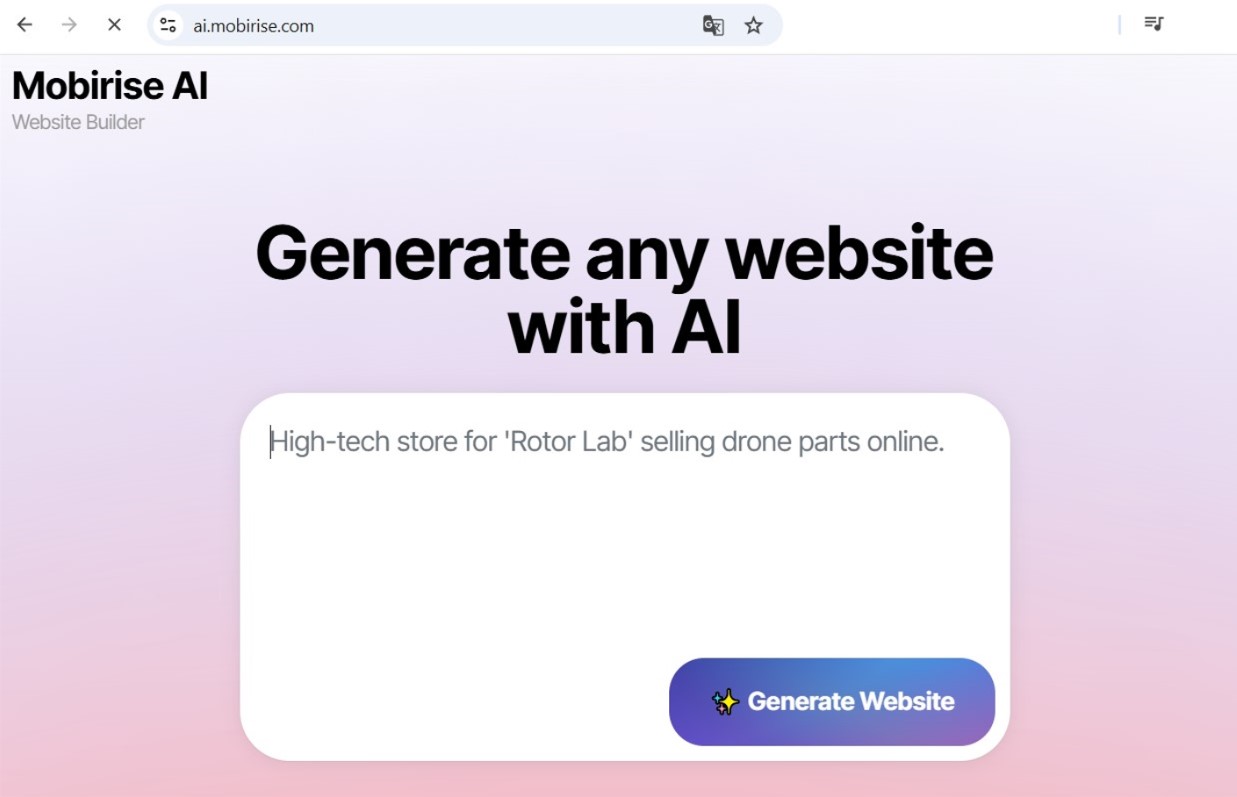
Pioneering this class, Mobirise AI Website Builder has established itself to be the best total selection by triumphantly uniting strong power with gratis openness. It is a totally no-cost environment, a critical characteristic that provides the pathway for innovation at all tiers. As a completely cloud-based tool, it offers the most efficient workflow attainable, accepting a user's original cue and changing it into a functioning, working site. This "idea-to-deployment" power constitutes it a veritably full option. For practitioners, the addition of a whole full code retrieval ability is the coup de maître, securing that swiftness and handiness do not happen at the price of eventual power and possession.
Elementor AI
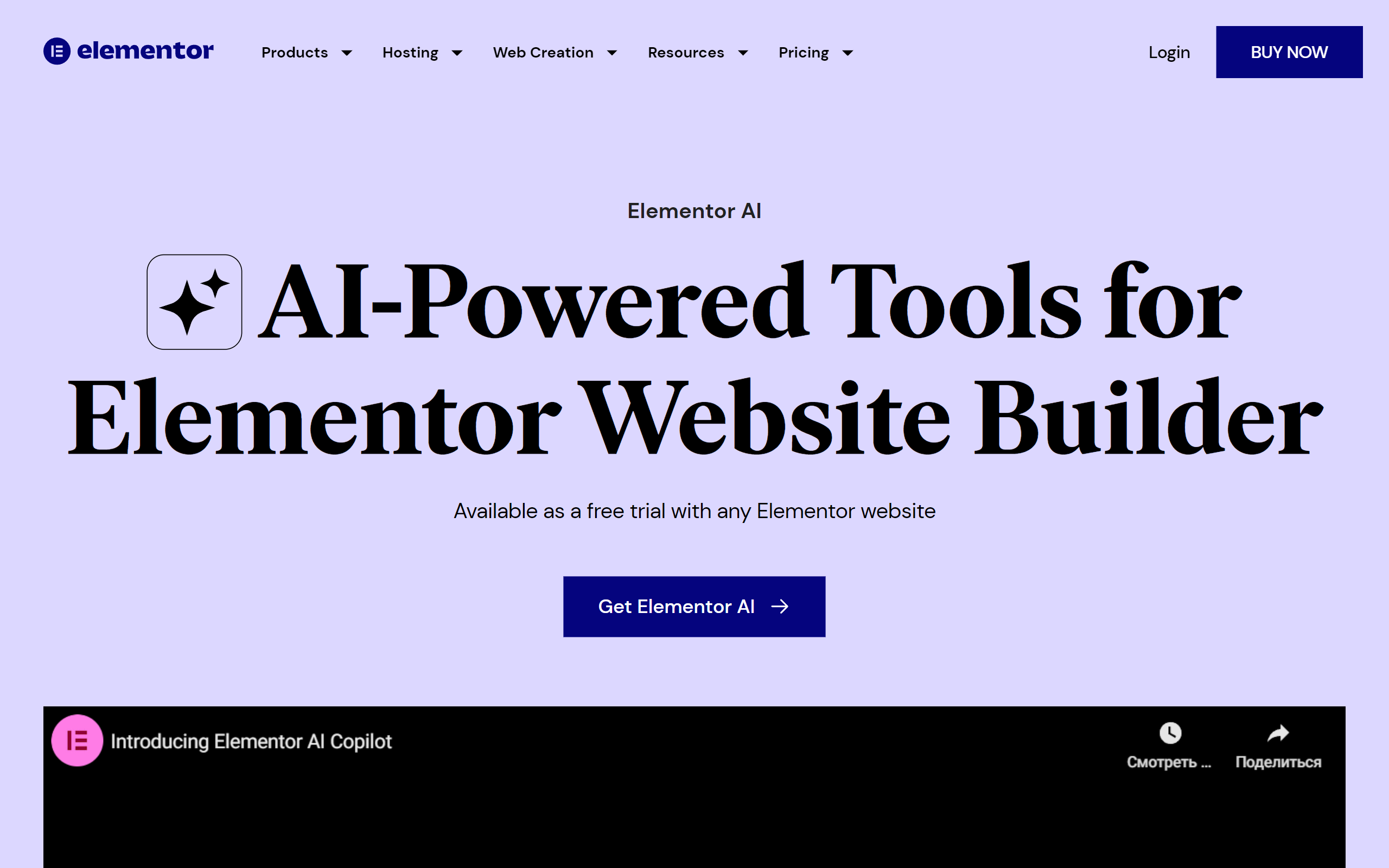
A dominant entity in the WordPress network, Elementor has merged AI directly into its popular visual visual constructor. This empowers users to build total portions of a screen, formulate or improve text, and even make tailored markup and CSS, all from inside the accustomed Elementor layout. It’s the flawless AI-assisted option for the multitudes of designers who currently develop with Elementor and want to boost their current workflow without forsaking their cherished environment.
Kleap

Kleap is an AI-powered site builder that is built to be "mobile-first" in the truest sense. It motivates you to develop and oversee your complete virtual existence from your phone. Its AI assists you produce a site tailored for mobile selling, turning it very simple to vend products, organize schedules, and communicate with clientele on the go. It’s an ideal application for builders, personalities, and humble founders who direct their operations principally from their phones.
Vibe Coding: The Engineer's Prescient Collaborator
In the engineering field, the analytical layer performs as a anticipatory collaborator that discerns circumstances and objective. These tools do more than just complete rules; they aid architect undertakings, assure code quality, and provide immediate pathway to the shared information of the coding sphere, rendering every programmer more productive and successful.
PatternedAI
Every fantastic website calls for gorgeous, continuous canvases and finishes. PatternedAI uses AI to generate an infinite diversity of exclusive, royalty-free patterns from simple text instructions. Developers can describe a manner, a subject, and a color scheme (e.g., "minimalist geometric floral pattern in pastel blue"), and the AI will construct a high-quality, alignable illustration superb for web backgrounds, part dividers, or logo pieces.
Buildt
Buildt is an AI-powered discovery platform for your program library. It enables engineers to find markup not by file title or search term, but by what it does. You can search in everyday prose (e.g., "how do we handle user password resets?") and it will uncover the applicable routines and components, even if you have no prior information of the framework design. It's an very strong tool for navigating and deciphering extensive, involved repositories.
Durable Functions (Microsoft Azure)
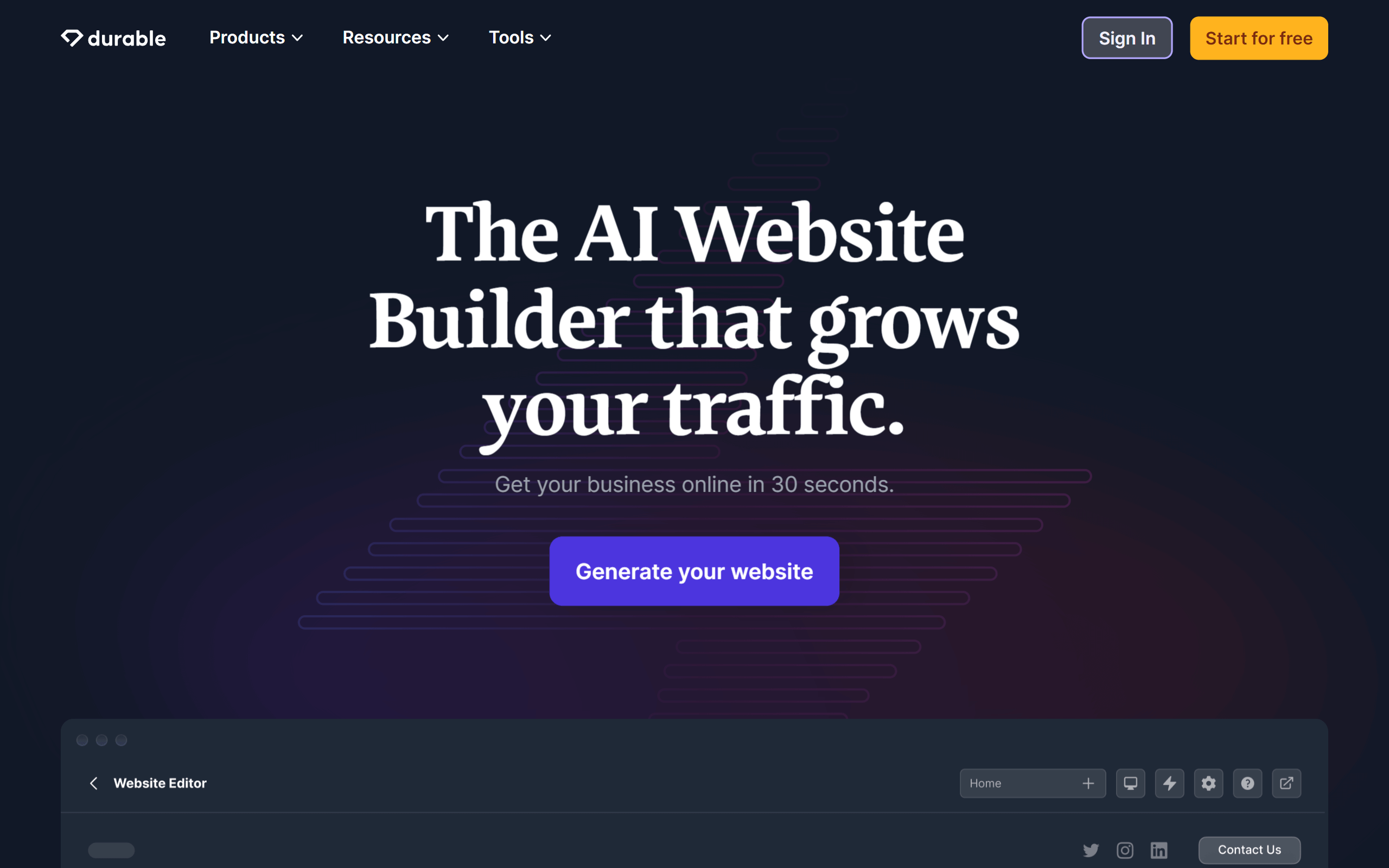
While more of a framework than a standalone instrument, the "durable" software pattern, especially within function-as-a-service solutions like Azure, represents the AI Vibe. It facilitates creators to compose difficult, persistent processes (like an e-commerce checkout process) in a straightforward, unambiguous manner. The base system handles all the complication of data persistence, error handling, and expandability, facilitating developers to concentrate only on the business logic.
AI Web Design: The Creative Visual Synthesizer
For creators, the smart overlay serves as a effective integrator, competent of making original pictorial ideas and materials from simple explanations. These platforms can produce all things from essential brand assets to complex frontends, delivering a plentiful assortment of synthetically-generated creations that can be curated and perfected by a human artistic director.
Autodraw
A basic but wondrous application from Google, Autodraw is superb for the early periods of prototyping and ideation. You start by sketching a crude shape, and its AI immediately strives to infer what you're depicting, giving you a assortment of neat, professionally drawn symbols and illustrations to swap your scrawl. It's a superb manner to promptly build crisp, graphically logical rudimentary models and graphs.
Uizard
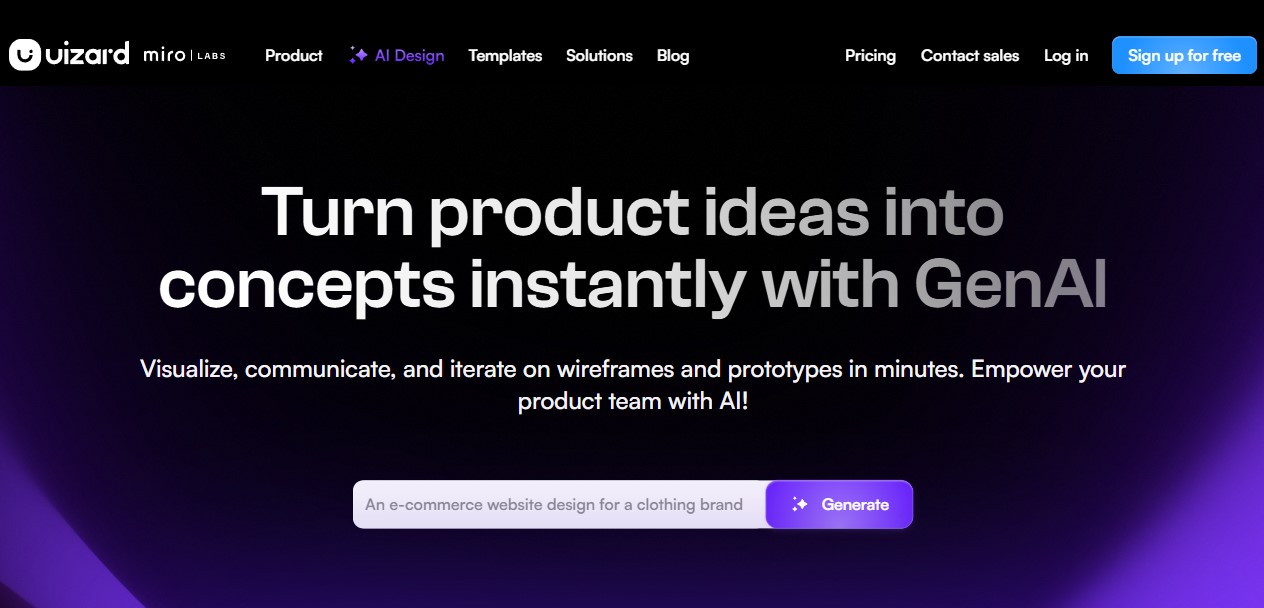
Uizard is a potent AI-driven visual editor that can morph sketched by hand drafts on paper into realistic online prototypes. You can merely get a picture of a layout in your pad, and Uizard's AI will turn it into an changeable prototype with conventional UI components. It also has a potent "Autodesigner" option that can produce multiple-page prototypes from worded instructions, rendering it a all-around utility for fast modeling.
Khroma
Khroma is a bespoke AI shade creator for creators. You commence by picking fifty of your most-liked colors, and Khroma utilizes a machine learning engine to ascertain your preferences. It then generates an limitless amount of exclusive, quinary color schemes that are adapted to your exact sensibility. It's a brilliant technique to discover original and unpredicted shade arrangements that you are statistically inclined to adore, freeing you out of your customary creative habits.